The Best eSIM for Travel: Expert Guide to Global Coverage and Savings
The best eSIM for travel is a digital SIM card you install on your phone before a trip, giving you instant local data without needing a physical card. It works by scanning a QR code or downloading a plan, seamlessly connecting you to regional networks when you land. This means you skip expensive roaming fees and avoid hunting for Wi-Fi, keeping you online and navigable from the moment you arrive.
Choosing the Right Travel eSIM for Your Next Trip
To select the best eSIM for travel, prioritize destination coverage and data allowances over flashy apps. Look for providers offering local network partnerships rather than costly global roaming pools. Check if your specific countries are listed, not just “Europe” or “Asia.” For choosing the right travel eSIM for your next trip, match your usage pattern—light mapping needs a smaller data plan, while video calls require a high-speed, generous GB package. Always confirm device compatibility and activation ease; a plan that installs in minutes saves hassle at customs. Avoid cheap, unlimited data claims on foreign networks, as throttling can render maps useless. Focus on reliable speeds for core apps, and you will stay connected without surprise fees.
Comparing Global Plans vs. Regional Options
When choosing the best eSIM for your trip, you must weigh reach against value. Global plans let you land in multiple countries without switching eSIMs, but you often pay a premium for that convenience. In contrast, regional options focus on a specific area—like the EU or Southeast Asia—and typically offer better data allowances for less money. If your itinerary is limited to one region, a local plan gives you far more gigs per dollar. A global plan only makes sense if you are country-hopping across continents where individual regional profiles would be a hassle to manage.
Choose global for multi-continent sprints; pick regional for deeper, cheaper coverage in one zone.
Why Data-Only eSIMs Often Beat Voice Bundles
For travel, data-only eSIMs consistently outperform voice bundles because modern communication relies on apps like WhatsApp, FaceTime, or Skype. These services handle calls and texts over data, rendering traditional voice minutes redundant. Data-only plans are also cheaper and simpler, offering higher data caps for the same price as a voice-inclusive package. You avoid paying for unused minutes and eliminate the need to manage a local number. A data-only travel eSIM ensures seamless connectivity for navigation, booking, and messaging without the wasted cost or complexity of voice features.
Assessing Coverage Reliability Across Continents
When selecting the best eSIM for travel, assessing coverage reliability across continents requires examining network partners, not just advertised reach. For Europe, look for eSIMs using multiple local carriers like Vodafone, Orange, or Deutsche Telekom to ensure redundancy in rural Alps or Greek islands. In Asia, verify access to dense 4G/5G infrastructure from providers such as Singtel or SK Telecom, while in South America, prioritize eSIMs with roaming agreements across América Móvil networks. Signal performance in remote areas often depends on local carrier density, not global brand. Always cross-reference an eSIM’s network map with independent coverage databases to identify gaps in mountainous or desert regions.
Assessing coverage reliability across continents demands checking carrier diversity per region, especially for rural and high-traffic zones, over relying on broad coverage claims.
Top-Rated Providers for International Connectivity
For the best esim for travel, top-rated providers for international connectivity are defined by instant activation and reliable regional coverage. Airalo excels with competitive data packages spanning over 190 countries, ideal for multi-stop itineraries. Holafly is a strong competitor, offering unlimited data plans that appeal to heavy users, though they typically lack hotspot options. Ubigi is praised for stable speeds in Asia and Europe, often outperforming local carriers.
Your choice should hinge on data needs: prioritize Airalo for value and multi-country flexibility, or Holafly for pure unlimited usage on a single trip.
Avoid budget SIMs in transit; install these eSIMs before departure to guarantee seamless roaming.
Airalo: Flexibility and Country-Specific Picks
Airalo distinguishes itself with exceptional flexibility, allowing travelers to choose between global plans and precise country-specific eSIM picks. For a single-destination trip, its local data packages offer optimized network access and competitive pricing, avoiding waste on unused regional coverage. When journeying across multiple borders, users can activate a global eSIM for broad connectivity or stack individual local eSIMs for each country, selecting only the required data volume. The logical process involves:
- Selecting the target country or region from the library.
- Choosing a data-only or calls-and-data plan tailored to trip duration.
- Installing the eSIM before departure and activating upon arrival.
Holafly: Unlimited Data Packages and Customer Support
For travelers prioritizing hassle-free connectivity, Holafly stands out with its dedicated focus on unlimited data packages and responsive customer support. These plans eliminate the anxiety of monitoring usage, allowing seamless browsing, streaming, and navigation abroad. Their support team is reachable 24/7 via live chat and WhatsApp, ensuring immediate assistance for setup or network issues. This combination of truly unlimited high-speed data and reliable, accessible help makes Holafly a top contender for those who value worry-free, constant connection.
- Genuinely unlimited high-speed data with no throttling on major plans.
- 24/7 live chat support in English and Spanish for instant issue resolution.
- Simple QR code activation with step-by-step guides from support agents.
Nomad eSIM: Pay-As-You-Go and Multi-Network Access
Nomad eSIM caters to travelers seeking flexibility through its pay-as-you-go credit system, which tops up only when data runs low rather than requiring fixed monthly subscriptions. Its multi-network access automatically switches between partner carriers in over 190 destinations, ensuring consistent connectivity in areas with weak single-network coverage. You retain unused credits indefinitely, making it ideal for sporadic trips.
- Credit balance rolls over without expiration
- Automatic failover to strongest local network
- No daily or monthly commitment required
- Top-ups available in small increments
Ubigi: Strong Performance in Asia and Europe
Ubigi earns its place among top-rated providers through strong performance in Asia and Europe, making it a reliable choice for travelers in these regions. Its eSIM delivers consistent high-speed data across Japan, South Korea, and major European markets. Users benefit from straightforward activation and local-network parity for streaming and navigation. Connectivity remains stable even in dense urban centers like Tokyo or Paris, with no throttling on standard plans.
- Reliable LTE/5G speeds in Japan, South Korea, and across Europe
- Simple app-based purchase and instant activation upon arrival
- Streaming and mapping work without buffering in city centers
- No surprise throttling or hidden speed caps on regional data packs
Key Factors to Consider Before You Buy
Before snapping up the best esim for travel, scrutinize your coverage map first; a cheap plan is worthless if you’re offline in your destination’s remote areas. Next, data allowance vs. speed is critical—some plans throttle to 2G after a few GB, rendering maps unusable. You must verify if the esim supports tethering, as many budget options block it. Finally, check the activation process: instant top-up abilities beat rigid, pre-set packages that can’t adapt to unexpected flight delays or itinerary changes.
Network Speeds and LTE vs. 5G Support
When choosing the best eSIM for travel, your device’s network speed compatibility makes or breaks your trip. Most destinations still rely on LTE, offering reliable coverage for maps and messaging, but a 5G-capable eSIM dramatically speeds up downloads and streaming abroad. Before you buy, check if your phone supports 5G bands in your destination—otherwise you’ll default to slower LTE.
- LTE provides stable, battery-friendly speeds for general browsing and navigation.
- 5G is ideal for quick file uploads, video calls, or streaming in high-traffic areas.
- Some eSIMs throttle speeds after a data cap, even on 5G, so read the fine print.
A mid-range LTE plan often beats a premium 5G one if your destination lacks 5G towers.
Device Compatibility and eSIM Activation Steps
Before purchasing the best eSIM for travel, verify your smartphone’s eSIM compatibility checklist by checking if it is carrier-unlocked and supports eSIM profiles, as many older models do not. Activation steps typically involve scanning a QR code from your provider, then installing the profile in your device’s cellular settings, which takes under two minutes. Some carriers require manual entry of an SM-DP+ address and activation code. Always install the eSIM while connected to Wi-Fi before departure to avoid connectivity issues abroad.

Device compatibility hinges on a carrier-unlocked, eSIM-supported phone; activation is a rapid QR-code or manual-profile setup executed over Wi-Fi before travel.
Pricing Structures: Per-Day, Total Data, or Tethering Limits
When comparing eSIMs, your choice hinges on per-day versus total data pricing. A per-day plan suits short bursts of use, but costs spike on longer trips. Total data allowances, like a 10GB pool, offer predictable spending but risk running out. For tethering, check if hotspot data is shared from your plan or capped separately; some budget eSIMs block tethering entirely. Follow this sequence:
- Estimate your daily browsing versus streaming needs.
- Compare per-day costs against total data packages for your trip length.
- Confirm the tethering limit to avoid surprises when sharing your connection.
Emergency Voice Capabilities and Dual-SIM Use
When choosing the best eSIM for travel, evaluate emergency voice capabilities alongside dual-SIM use. Many data-only eSIMs lack voice support, leaving you unable to call local emergency services unless your primary physical SIM is active. Opt for an eSIM that includes VoIP or a minimal voice credit for emergency calls. Dual-SIM setups let you keep your home SIM for 2FA and emergency contact while the eSIM handles data. This separation ensures fallback connectivity if one network fails. Confirm your device allows simultaneous standby for both SIMs to avoid disabling your home line.
Emergency voice access requires a plan with voice credits or VoIP; dual-SIM dual-standby keeps your home line live for 2FA and 911, ensuring you never lose contact during travel.
Regional Recommendations for Frequent Travelers
Frequent travelers quickly learn that a global eSIM often overcharges in specific regions, so they switch strategy. For Asia, I rely on a Japan-Korea-Singapore bundle with softbank roaming, while my friend covering Europe always picks a multi-country plan like Orange Holiday’s 35-country option for seamless train hopping. The real trick? In Latin America, a local Brazilian Claro eSIM bypasses the spotty coverage that global plans have in the Amazon. Q: How do you avoid data dead zones in rural Thailand? A: Pick a regional TrueMove eSIM instead of a whole-Asia plan — it prioritizes local towers and costs half as much.
Best eSIM Choices for Europe and the Schengen Zone
For hopping around Europe’s Schengen Zone, your best bet is a **region-wide travel eSIM** that covers multiple countries without swapping cards. Airalo’s Eurolink plan is a solid choice, letting you buy data for 30 days that works across 39 European nations. Holafly offers unlimited data plans with a local number, perfect for heavy streamers or maps addicts. For budget-friendly coverage, try Yesim’s pay-as-you-go options. Here’s a quick setup sequence for most providers:
- Purchase and install the eSIM before your trip.
- Activate it upon landing in the first Schengen country.
- Top up or extend the plan online as you travel between borders.
Top Options for Asia: Japan, Thailand, and the Philippines
For frequent travelers, the top eSIM options for Asia revolve around Japan, Thailand, and the Philippines. In Japan, prioritize providers offering stable 4G/5G on Docomo or SoftBank networks for seamless navigation and instant social media uploads. Thailand demands generous high-speed data bundles, ideally with AIS coverage, for constant ride-hailing and food delivery. The Philippines benefits from multi-day packages with Globe or Smart access, ensuring connectivity in both Manila and remote islands. Avoid regional plans; choose country-specific eSIMs for local reliability.
Japan, Thailand, and the Philippines each require dedicated local eSIM profiles for optimal speed and coverage, eliminating roaming lag and dead zones.
North America and Latin America Coverage Maps
For frequent travelers, the deciding factor between eSIMs often comes down to their North America and Latin America Coverage Maps. A single eSIM rarely offers seamless performance from Toronto to Buenos Aires; you must choose a provider that explicitly maps both regions. For example, regional plans from Airalo or Holafly cover the US and Canada reliably but may drop to 3G in rural Mexico. Conversely, Latin American specialists like Claro eSIM offer robust 4G in Colombia and Brazil but zero coverage in Alaska. Always zoom into your specific itinerary on the provider’s coverage map, as “North America” often excludes Caribbean islands or Northern Canada.
Q: How do I verify if a single eSIM covers both New York and São Paulo without gaps? A: Compare the “North America” and “Latin America” coverage layers separately on the provider’s map; only global plans like those from Ubigi or Nomad eSIM consistently show overlapping 4G LTE across both landmasses.
Africa and the Middle East: Niche Providers That Work
For Africa and the Middle East, ditch the global giants and go straight to regional eSIM specialists that deliver solid coverage. Providers like Africa eSIM, Maya Mobile, and Sim Local often have direct deals with carriers such as MTN, Orange, and Airtel, meaning you get better speeds in places like Lagos or Nairobi than a generic global plan. In the Middle East, Airalo’s local packs for the UAE or Saudi Arabia are reliable, while GigSky handles tricky spots like Oman well. Just double-check if your chosen provider supports VoLTE, as some regional eSIMs skip voice calls entirely.
| Region | Reliable Niche eSIM | Strengths |
|---|---|---|
| Sub-Saharan Africa | Africa eSIM | Direct MTN & Orange access; great for Nigeria & South Africa |
| Middle East | Maya Mobile | Consistent Saudi & UAE 5G; easy top-up |
| Mixed Travel | Sim Local | Regional passes covering both Africa & Gulf states |
How to Maximize Value Without Sacrificing Speed
To maximize value without sacrificing speed in a travel eSIM, prioritize providers offering high-speed data caps on their prepaid plans rather than unlimited throttled data, which often becomes unusably slow. Select multi-country regional packages over single-nation ones to avoid paying for separate profiles; a single Europe or Asia plan delivers consistent Japan eSIM fast LTE on multiple stops. Avoid free eSIMs or ultra-cheap options with deprioritized network access, as these trade speed for pennies. Instead, invest in a top-tier provider like Airalo or Holafly that connects directly to primary carrier towers—ensuring your video calls and maps load instantly, not at 2G speeds, making every dollar count toward genuine performance.
Using eSIMs Alongside a Physical SIM Card
To maximize value without sacrificing speed, running an eSIM alongside your physical SIM is a strategic move. Keep your home carrier’s physical SIM active for essential two-factor authentication (2FA) texts and emergency calls, while the eSIM handles high-speed data from a local provider. This avoids roaming fees without losing connectivity. For setup:
- Install the eSIM profile before departure via a provider’s app or QR code.
- Disable data roaming on your physical SIM in your phone’s settings.
- Set the eSIM as your default for cellular data, and enable “Allow Cellular Data Switching” only if you want automatic fallback.
This ensures dual SIM management keeps you online without manual toggling.
Avoiding Hidden Roaming Charges and Throttling
To avoid hidden roaming charges and throttling, always verify an eSIM’s data-only plan details before purchase. Check for fair usage policies that cap speeds after a set GB threshold, as this triggers throttling on many budget travel eSIMs. Confirm there are no daily or per-MB surcharges listed in the fine print, which can inflate costs. Choose providers offering clear, upfront pricing for your destination, and prioritize those with unthrottled data at 4G/5G speeds for consistent performance. Activate the eSIM only when you land to prevent accidental roaming on your primary carrier’s expensive rates.
Reading User Reviews for Real-World Performance
Reading user reviews reveals how an eSIM actually performs under travel conditions, filtering out marketing claims. Look for patterns in specific regions, noting mentions of consistent connection speeds during peak hours or in remote areas. A single negative review might be an outlier, but multiple reports of throttling or activation delays signal real risk. Verification from recent travelers on forums like Reddit provides the most reliable snapshot.
How quickly can user reviews expose a network’s true speed during a layover?
Search for reviews timestamped within the last month that mention airport usage; they will instantly show you if the provider delivers stable data immediately upon landing, not hours later.
Testing Connection Speeds Upon Arrival
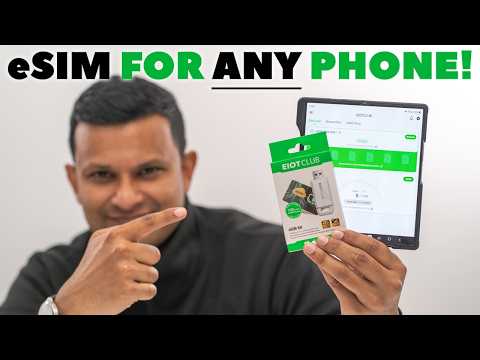
Upon landing, immediately run a speed test using a reliable app like Speedtest or nPerf. This confirms your eSIM delivers the promised bandwidth, preventing slow-loading maps or failed uploads. If speeds lag below 10 Mbps, reconnect to the strongest local network manually; your eSIM may prefer a weaker tower. Repeat tests in different locations—airport congestion often skews results. Prioritize speed verification before leaving the terminal to secure consistent performance for navigation and communication during your trip.
Test your connection upon arrival to ensure your eSIM meets speed expectations, reconnecting manually if needed for reliable data throughout your travels.
What Makes a Travel eSIM the Right Pick for Your Trip
Key Differences Between Global eSIMs and Regional Options
Why Data Speed and Network Coverage Matter More Than Price
How to Install and Activate Your Travel eSIM Before Departure
Step-by-Step Setup: Scanning the QR Code and Adding a Data Plan
What to Do When Your eSIM Doesn’t Connect Right Away
Comparing Prepaid Data Plans for Frequent Flyers and Backpackers
Short-Term vs. Long-Term Plans: Which Saves More Money
Unlimited Data Plans vs. Tiered Data Caps: Pros and Cons
Using Multiple eSIMs on One Phone Without Losing Your Home Number
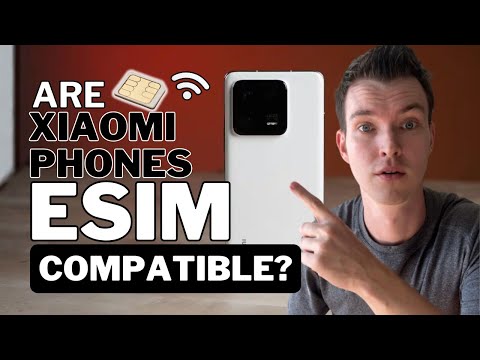
Managing Dual SIM Settings for Seamless Switching
How to Keep Your Primary Line Active for SMS and Calls
